What is… Series
Common terms to help you understand your benefits.

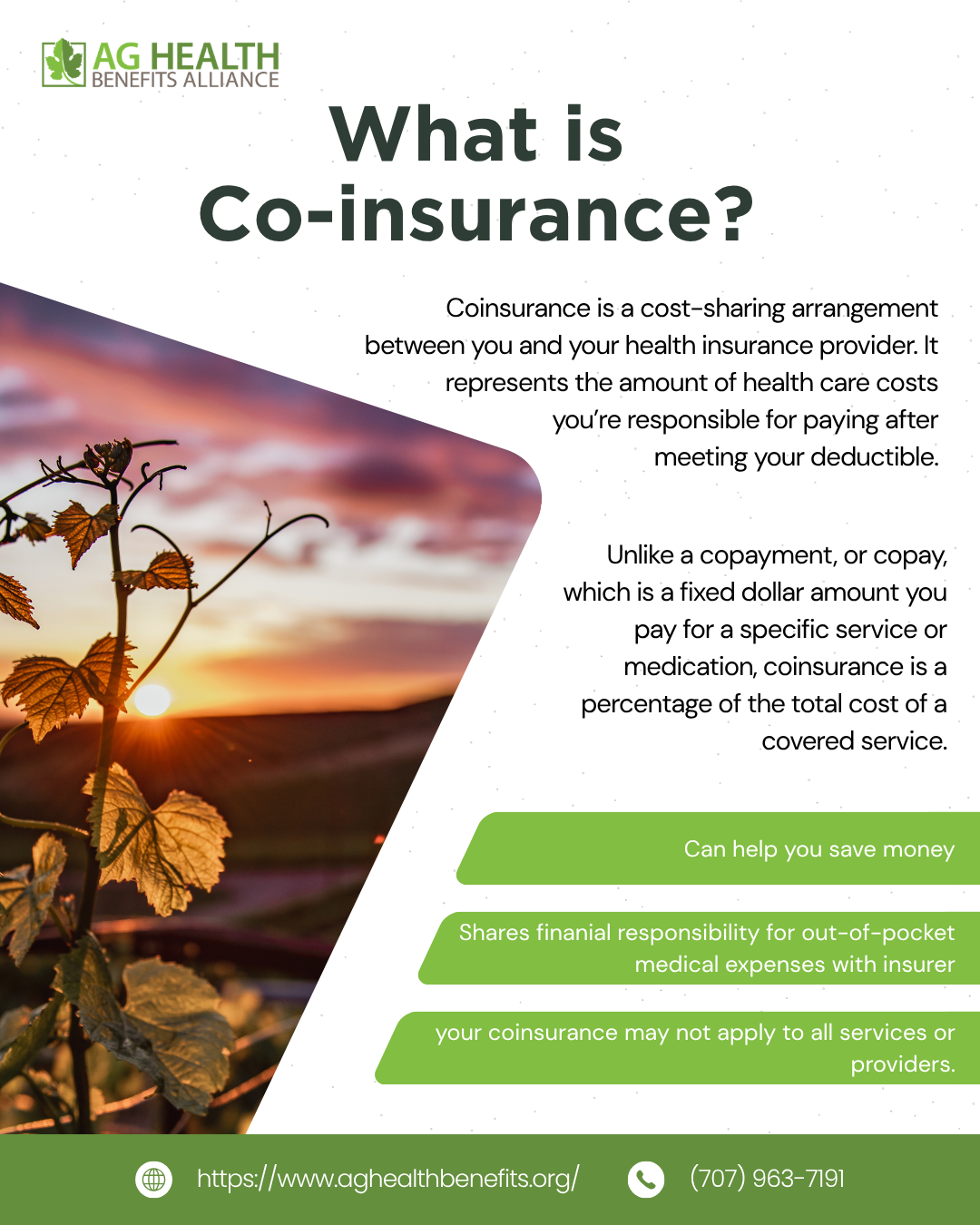
Co-insurance can help reduce your medical expenses as it shares the financial responsibility for out-of-pocket expenses with your insurer. Once you've hit your deductible, the remaining cost is split between you and your insurance.

The exact details regarding expenses that count toward your out-of-pocket maximum may vary with your health care plan, so it’s important to read the fine print. Your out-of-pocket maximum will typically include various expenses incurred during the policy year, such as deductibles, copayments and coinsurance. However, some plans don’t count all of your copayments, deductibles, coinsurance or other expenses toward this limit.

Your premium is the amount you pay for health insurance each month. Unlike other health insurance costs, you continue to pay your premium even after you’ve reached your deductible.

Understanding qualifying events is crucial for maintaining appropriate benefit coverage. Encourage your employees to report any significant life changes promptly to ensure their benefits align with their current needs. Employees typically have 30 days from the date of the qualifying event to request changes.
It's important to revisit your benefits and double check you understand what's in them, but the terms used are not always very clear.
Wondering why you have to pay before your insurance begins coverage? That's your deductible! Routine preventive care, like annual check-ups and vaccinations, may be covered by insurance without first meeting the deductible. Not all health care expenses count toward the deductible. Health care costs that are out-of-network or not approved by the health care plan may not count toward the total.

When preventive care is combined with leading an overall healthy lifestyle, you can significantly increase your chances of avoiding chronic conditions in the first place. Consider the following tips for practicing preventive care: Schedule a general checkup; Exercise regularly; Eat a balanced diet; Avoid excessive alcohol and tobacco use; Ensure you're up to date on vaccinations; Get screened as recommended

Prior authorization isn't meant to be a barrier to health care. Insurance companies require prior authorization to help ensure that the treatment is medically necessary, safer or more effective options have been considered, costs stay manageable, and the care fits your health plan's coverage rules.